Inkjet Printing
Inkjet Printing
A complete guide to how inkjet printing works, its types, pros and cons, and how it compares to laser printing.
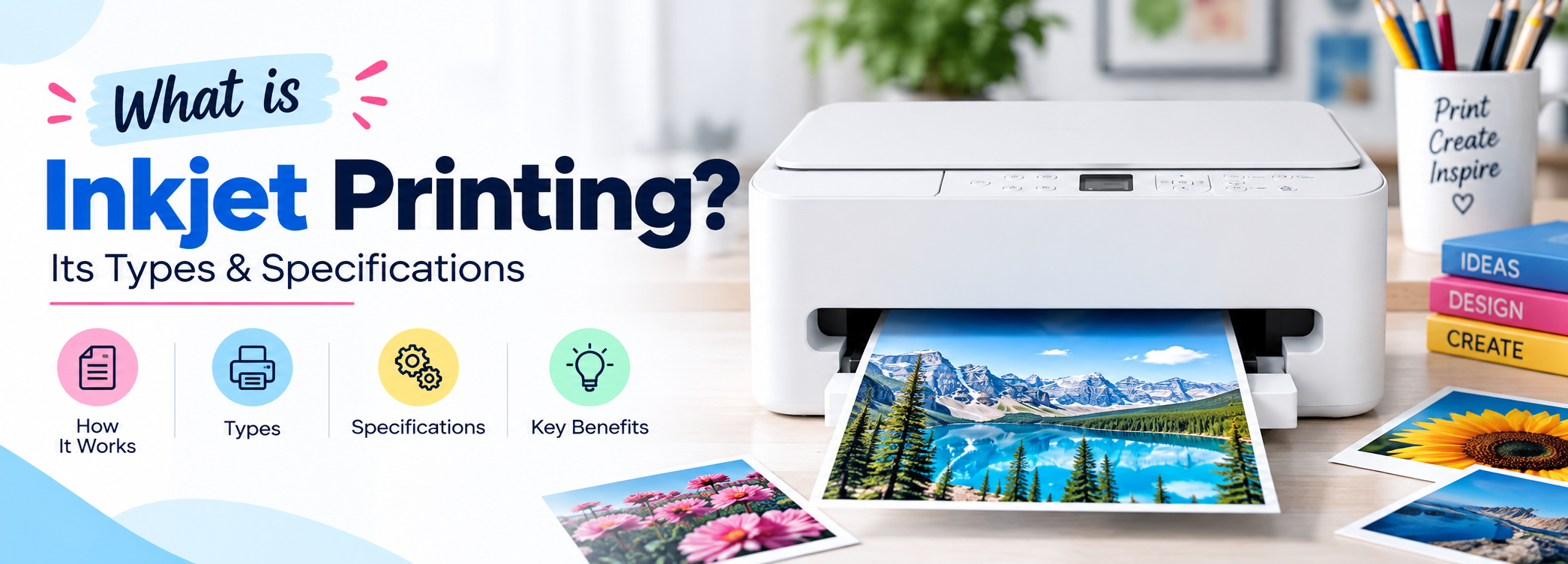
Inkjet printing is a type of printing that uses tiny droplets of ink sprayed onto paper to produce hard copies of text, photos, graphics, and other images. Inkjet printers can produce high-quality color output, especially for photos and graphics.
The ink used in inkjet cartridges can be expensive and may dry out if the printer is not used regularly. When this happens, the cartridge may need to be replaced. Inkjet printers generally use either dye-based or pigment-based inks. Dye ink is known for producing realistic and vibrant photos, while pigment ink is more resistant to fading and is often preferred when print durability is important.
Inkjet Printer Specifications
- Print resolution: 1200 × 1440 dpi
- Photo printing size: Larger than 5 × 7 inches
- High-quality print resolution: Up to 5760 × 1440 dpi
What Are the Types of Inkjet Printing?
There are two main types of inkjet printing:

- Continuous inkjet printing
- Drop-on-demand inkjet printing
Continuous Inkjet Printing
When a production line requires continuous, durable printing in demanding environments, continuous inkjet printing can be used. Industrial continuous inkjet printers are designed to operate at high speeds and can be built to withstand conditions such as humidity and vibration.
In this printing method, ink droplets are discharged continuously from the nozzle. Some of the droplets are electrically charged and are deflected by an electric field toward the printing surface. Uncharged droplets are not deflected and can be collected and returned to the ink system for reuse.
Continuous inkjet printing is commonly used for industrial coding and marking applications where information such as dates, lot numbers, and product codes needs to be printed while products move along a production line.
Drop-on-Demand Inkjet Printing
Drop-on-demand printing releases ink droplets from the printhead only when they are needed. Instead of continuously producing ink droplets, the printer sends individual droplets to specific areas of the printing surface.
Drop-on-demand inkjet printing is mainly divided into two types:
- Piezoelectric inkjet printing
- Thermal inkjet printing
Piezoelectric Inkjet Printing
Piezoelectric printheads use piezoelectric elements that change shape when an electrical voltage is applied. Each element works with a vibration plate to create pressure that pushes a controlled amount of ink through the nozzle.
The ink does not need to be heated during this process. The printhead contains many small elements arranged in rows, allowing the printer to place precise amounts of ink at specific locations.
Piezoelectric printing can work with different types of ink and media and is used where accurate, high-speed printing is required.
Thermal Inkjet Printing
Thermal inkjet printing uses heat to create very small ink droplets. The ink inside the cartridge is heated in a small chamber, causing it to expand and form a droplet that is pushed through the nozzle onto the printing surface.
Thermal inkjet printers can be used for printing directly onto packaging, cases, and other materials. This can reduce the need for separate labels in some applications.
Thermal inkjet technology is also used for product coding and marking because it can provide fast printing with relatively simple operation.
What Are the Advantages of Inkjet Printers?
Inkjet printers have several advantages that make them suitable for homes, offices, photography, graphics, and other printing applications.
Advantages
- Affordable initial cost: Many inkjet printers are available at a lower purchase price than comparable laser printers.
- Easy to use: Inkjet printers are generally simple to operate and produce relatively little noise.
- High print quality: They can produce detailed text, graphics, and colorful images.
- Versatile printing: Inkjet printers can handle different types and sizes of paper and other compatible media.
- Realistic colors: Dye-based ink, in particular, can produce bright and realistic colors for photos and graphics.
What Are the Disadvantages of Inkjet Printers?
Inkjet printers also have some limitations that should be considered before buying one.
Disadvantages
- Lower printing speed: Many inkjet printers are slower than laser printers, especially when producing large quantities of documents.
- Expensive ink: Replacement cartridges can be costly, particularly when the printer uses several separate cartridges.
- Ink can clog: If an inkjet printer is left unused for a long period, ink can dry around the printhead and cause clogged nozzles.
- Limited high-volume printing: Some inkjet printers are not designed for heavy daily workloads.
- Ink bleeding: With unsuitable paper or excessive ink, the ink can spread through the paper and produce blurry edges or images.
What Are the Main Characteristics of Inkjet Printing?
Inkjet printing has several characteristics that make it useful for both commercial and industrial applications.
- High printing speed: Some inkjet systems can print on products moving continuously along a production line at high speeds. The actual speed depends on the printing technology and application.
- Direct printing: Certain inkjet systems can print directly onto compatible substrates, reducing the need for separate labels in some applications.
- Good print quality: Inkjet technology can produce detailed text, graphics, and images when the printer, ink, and media are properly matched.
- Low operating noise: Modern non-impact inkjet printers generally operate more quietly than older impact printing technologies.
- Variable information: Industrial inkjet systems can change information in real time as products move along a conveyor belt. This is useful for printing dates, codes, product information, and other variable data.
What Are Inkjet Printers Best For?
Inkjet printers are best suited for printing graphics, color documents, photos, and images with bright and detailed colors. They are commonly used at home and in offices because they are relatively easy to operate and can handle a wide range of everyday printing needs.
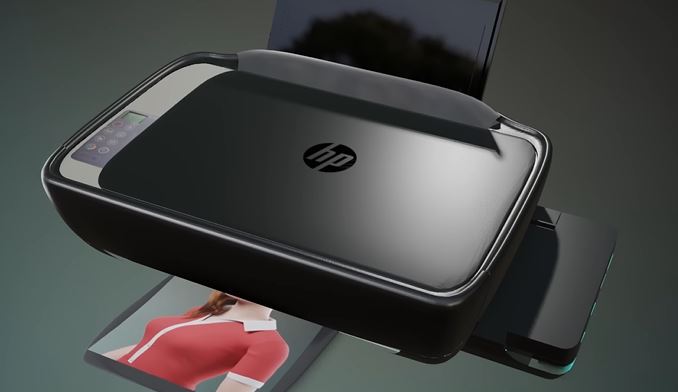
Inkjet technology is also used in commercial and industrial applications where printing directly onto certain products or materials is required.
Is an HP Printer an Inkjet Printer?
Yes, HP makes inkjet printers as well as laser printers. An HP inkjet printer can print, copy, and scan depending on the model, and some models can produce borderless photos in different sizes.
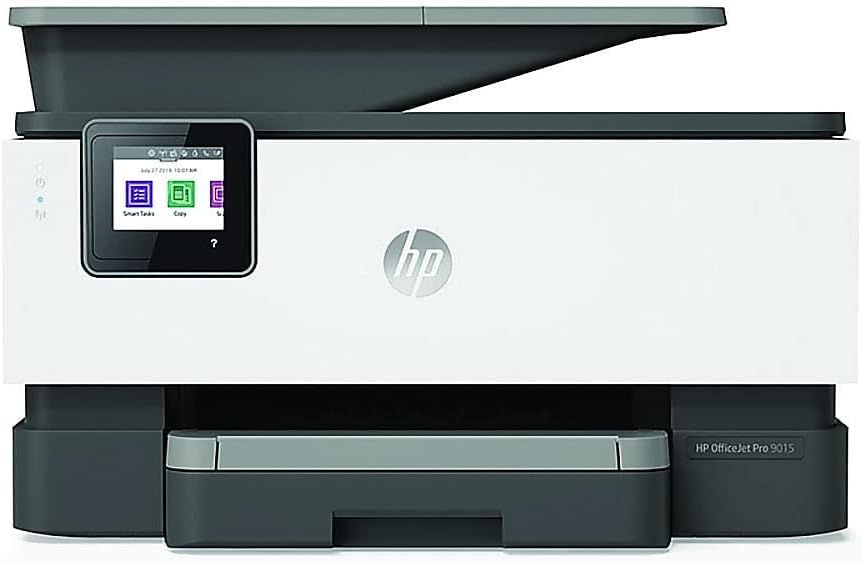
HP offers a wide range of printers for home and office use, including compact inkjet models, all-in-one printers, photo printers, and business-oriented models.
What Is the Meaning of Inkjet?
Inkjet refers to a printing method in which tiny droplets of liquid ink are released through small nozzles and placed onto a printing surface to create text, images, or graphics.
The droplets are controlled by the printhead so they are deposited in specific locations to form the final image.
What Types of Paper Can Be Used With Inkjet Printers?
The right paper is important when you want sharp, high-quality, and long-lasting inkjet prints. Inkjet paper is designed to control how ink is absorbed so it does not spread excessively across the surface.
Some inkjet papers have specially coated surfaces that help absorb and hold the ink in place. Common types include:
- Porous paper
- Swellable paper
- Cotton rag paper
Porous Paper
Porous paper contains microscopic spaces within its coating that absorb the ink droplets. These spaces help prevent the ink from spreading across the surface.
Some porous papers are designed to provide good resistance to moisture and humidity. They can also work well with pigment-based inks, which are generally more resistant to environmental effects than some dye-based inks.
Porous inkjet papers are also commonly called instant-dry papers because the ink is absorbed into the surface quickly.
Swellable Paper
Swellable paper has a coating that expands when it comes into contact with ink. This allows the ink droplets to penetrate into the coating while helping control how the ink spreads.
Swellable papers are generally designed for dye-based inks. Their coating can contain several layers that work together to absorb and hold the ink.
These layers may include:
- Protective layer
- Ink droplet fixing layer
- Absorption layer
- Paper base
- Anti-static layer
Cotton Rag Paper
Cotton rag paper is made from cotton fibers and is commonly used when high-quality image reproduction and durability are important.
It is often used for fine-art and professional photographic printing. Cotton rag papers are generally acid-free and lignin-free, which helps improve their long-term stability.
What Is the Difference Between Inkjet and Laser Printers?
Inkjet and laser printers use different printing technologies, and each one is better suited to certain types of work.
Inkjet Printers
Inkjet printers use liquid dye-based or pigment-based ink. Tiny nozzles in the printhead release ink droplets onto the paper to create text, graphics, and images.
Inkjet printers are particularly useful for photos, graphics, color documents, and other work where color reproduction is important. They are also available in compact models for home use and larger models for office or professional printing.
Laser Printers
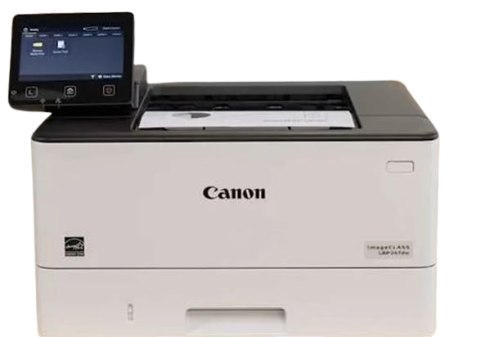
Laser printers use toner instead of liquid ink. They are generally designed for fast document printing and are commonly used in offices and businesses with higher printing volumes.
A laser printer uses an electrically charged imaging drum to attract toner particles. The toner is transferred to the paper and then bonded to it using heat.
Inkjet vs. Laser Printer: Which One Is Better?
The better option depends on the type of printing you need.
Inkjet printers are generally a better choice for:
- Photos
- Color graphics
- Detailed images
- Home printing
- Creative projects
- Smaller print jobs
Laser printers are generally a better choice for:
- Large document volumes
- Fast text printing
- Office environments
- Frequent business printing
- Lower cost per page for high-volume document work
Inkjet printers can produce excellent color and photo results, while laser printers are often more practical when speed and high-volume document printing are the main priorities.
Which Inkjet Printer Should You Buy?
The right inkjet printer depends on what you plan to print, how often you print, the paper or media you use, and how much you are willing to spend on ink.
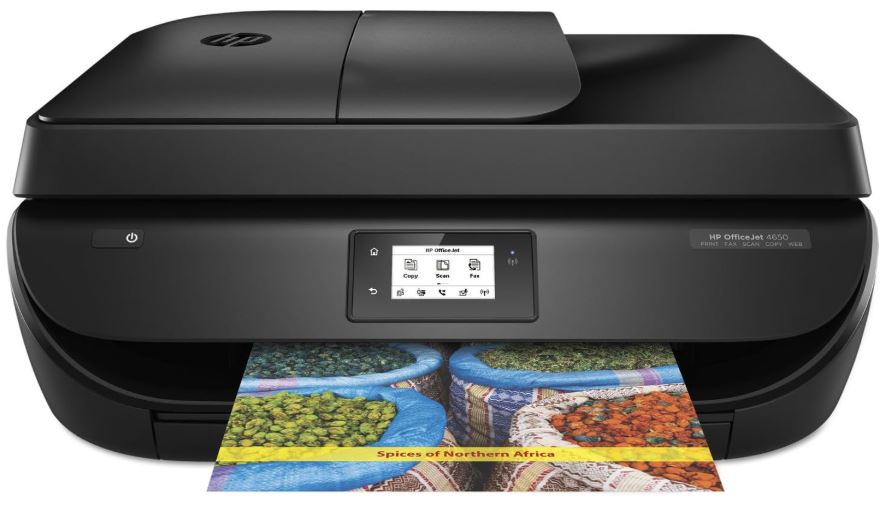
For basic home printing and occasional color documents, an affordable inkjet all-in-one can be enough. If photo quality and colorful graphics are your main priorities, a photo-focused inkjet printer with suitable photo paper and quality ink will give better results.
For frequent printing, an ink-tank model can be a more practical choice because refillable tanks can reduce the ongoing cost of ink compared with traditional cartridges. If you print large amounts of documents, a business-oriented inkjet or a laser printer may be more suitable because printing speed and paper capacity become more important.
If your work involves stickers, photos, graphics, or other specialty media, check the printer’s supported paper sizes, media thickness, ink type, print resolution, and compatibility with the material before buying. A printer that produces excellent results on standard paper may not produce the same results on glossy, matte, sticker, or specialty media.
Your budget should also include the cost of replacement ink, paper, maintenance, and the amount you expect to print. A low-priced printer may cost more over time if its cartridges are expensive, while a more expensive ink-tank printer can make more sense for someone who prints regularly.
For occasional home use, keep the purchase simple. For photos and graphics, give more attention to print quality and ink technology. For high-volume work, prioritize speed, paper capacity, and running costs. If you are buying an inkjet printer specifically for stickers or other specialty projects, make sure the printer supports the exact media you intend to use before making the purchase.
Frequently Asked Questions
Do inkjet printers use a lot of ink?
Ink consumption depends on the printer, print settings, paper type, and the amount of color or graphics on each page. Printing photos and large areas of solid color generally uses more ink than printing simple text documents.
Can inkjet printers print photos?
Yes. Inkjet printers are widely used for photo printing because they can produce detailed images with smooth color transitions and vibrant colors. The final quality also depends on the printer’s resolution, ink type, and photo paper.
Can inkjet printers use any paper?
No. Inkjet printers can handle many types of paper, but the paper must be compatible with the printer and ink. Using unsuitable paper can result in bleeding, poor color reproduction, smudging, or blurry images.
Do inkjet cartridges dry out?
Yes. Ink can dry inside the cartridge or printhead when a printer is left unused for an extended period. Regular printing and proper printer maintenance can help reduce the chance of clogged nozzles.
Which is better for photos, inkjet or laser?
Inkjet printers are generally the better choice for photo printing. They can produce a wider range of colors and smoother image detail, especially when used with photo paper and suitable photo inks.
Are inkjet printers good for home use?
Yes. Inkjet printers can be a good option for home users who need to print documents, school work, photos, graphics, or occasional color materials. An all-in-one inkjet printer can also provide scanning and copying in the same device.
Is an inkjet printer good for stickers?
Yes, an inkjet printer can be used for sticker printing as long as the sticker paper is compatible with the printer. Inkjet printers are particularly useful for colorful stickers, graphics, and custom designs. For better results, use sticker media designed specifically for inkjet printing.
Can inkjet printers print on glossy paper?
Yes. Many inkjet printers can print on glossy paper when the paper is compatible with the printer. Glossy photo paper can produce sharper images and more vibrant colors, but the correct paper setting should be selected before printing.
Which ink is better: dye or pigment?
Dye ink is often preferred for vibrant photo colors, while pigment ink is generally preferred when resistance to fading and longer-lasting prints are more important. The better option depends on the type of printing and the expected lifespan of the finished print.
On This Page
- What Are the Types of Inkjet Printing?
- What Are the Advantages of Inkjet Printers?
- What Are the Disadvantages of Inkjet Printers?
- What Are the Main Characteristics of Inkjet Printing?
- What Are Inkjet Printers Best For?
- Is an HP Printer an Inkjet Printer?
- What Is the Meaning of Inkjet?
- What Types of Paper Can Be Used With Inkjet Printers?
- What Is the Difference Between Inkjet and Laser Printers?
- Which Inkjet Printer Should You Buy?
- Frequently Asked Questions
Quick Takeaways
- Inkjet printing sprays tiny droplets of ink onto paper and can produce high-quality color output, especially for photos and graphics.
- There are several types of inkjet printing, including continuous, drop-on-demand, piezoelectric, and thermal inkjet printing.
- Inkjet printers generally use dye-based or pigment-based inks — dye ink produces vibrant photos, while pigment ink resists fading better.
- Inkjet printers require paper suited to how they print, such as porous, swellable, or cotton rag paper, for the best results.
- Choosing the right inkjet printer depends on what you plan to print, how often you print, and your budget for ink, paper, and maintenance.
Looking for an Inkjet Printer?
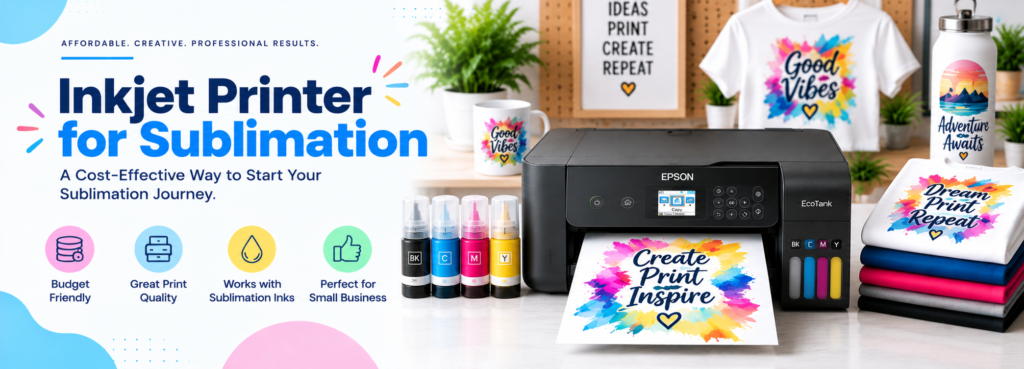
See our picks for inkjet printers, including options for sublimation.
Inkjet Printers →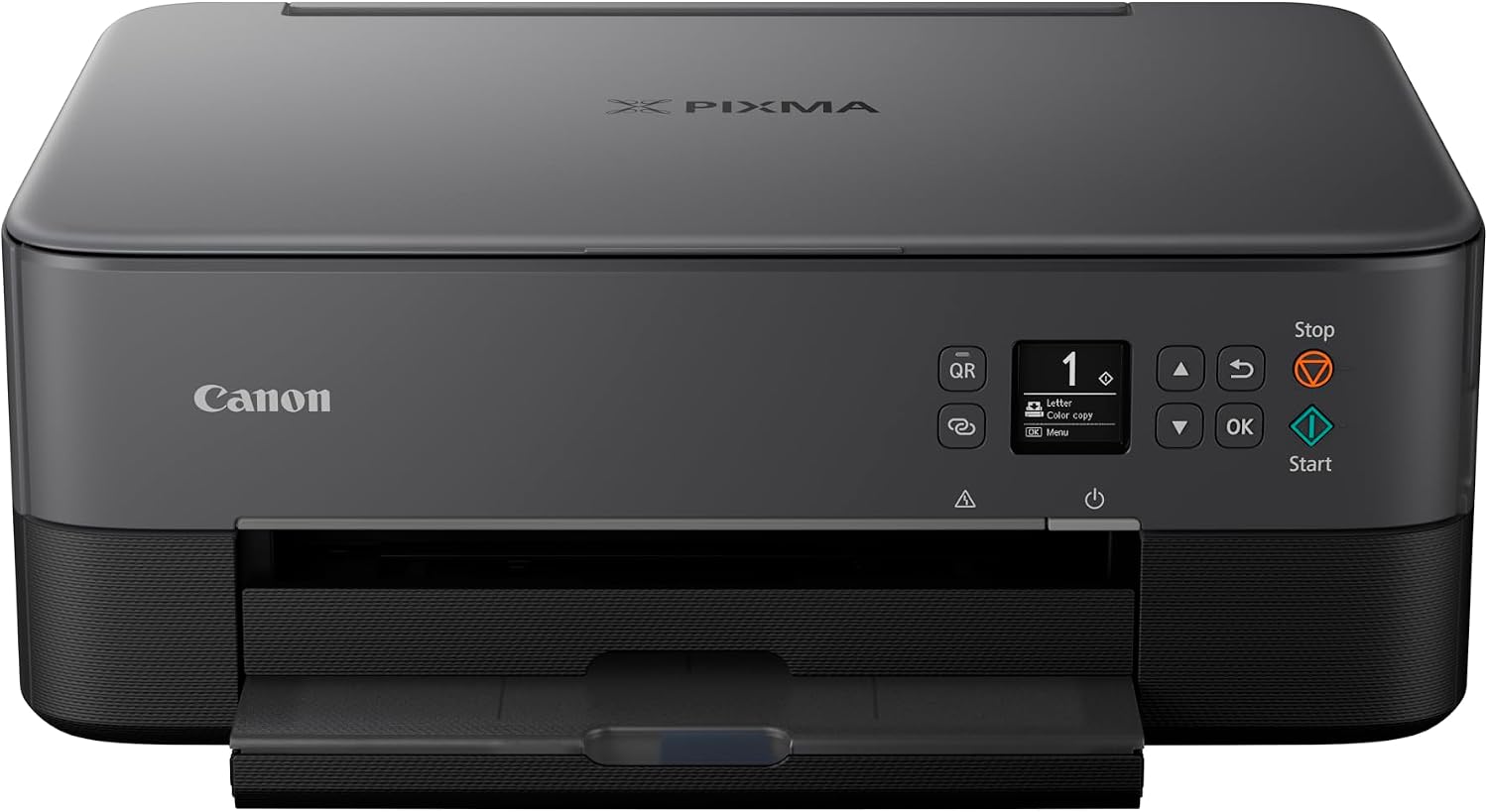
FAQ Quick Links
- Do inkjet printers use a lot of ink?
- Can inkjet printers print photos?
- Can inkjet printers use any paper?
- Do inkjet cartridges dry out?
- Which is better for photos, inkjet or laser?
- Are inkjet printers good for home use?
- Is an inkjet printer good for stickers?
- Can inkjet printers print on glossy paper?
- Which ink is better: dye or pigment?