Thermal Printer
What is a Thermal Printer?
A complete guide to what thermal printers are, how they work, their pros and cons, and how they compare to laser and inkjet printers.
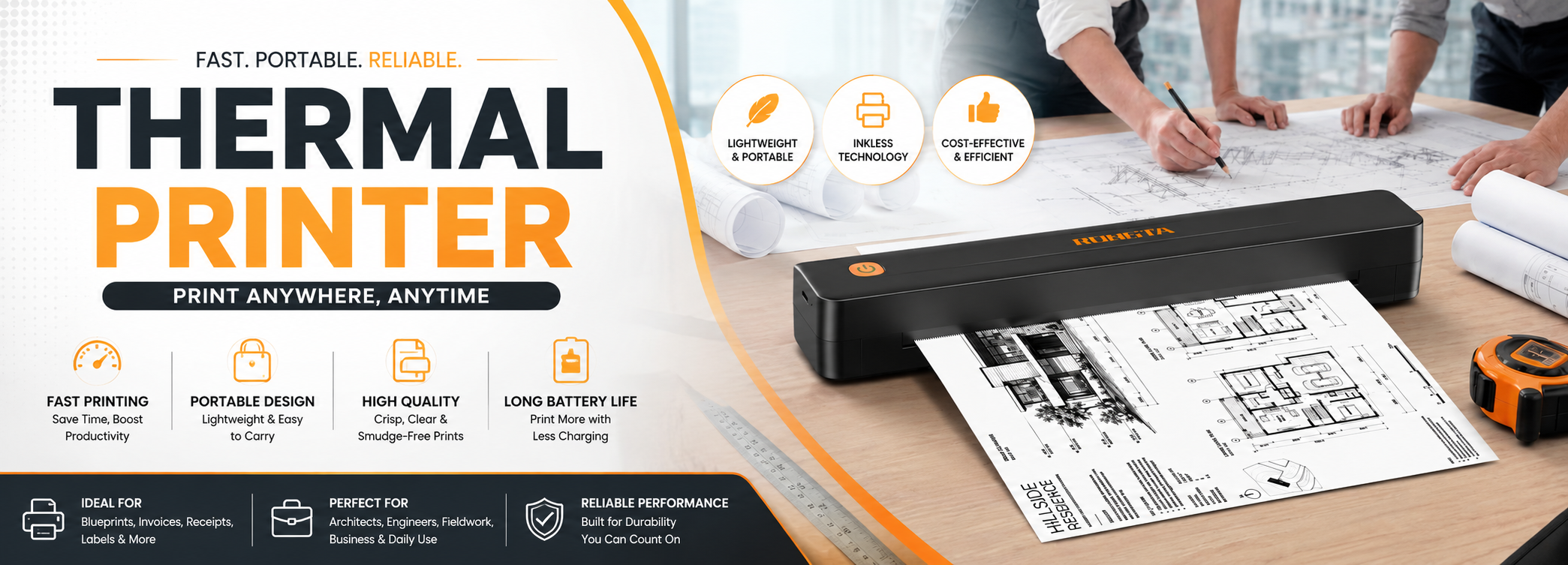
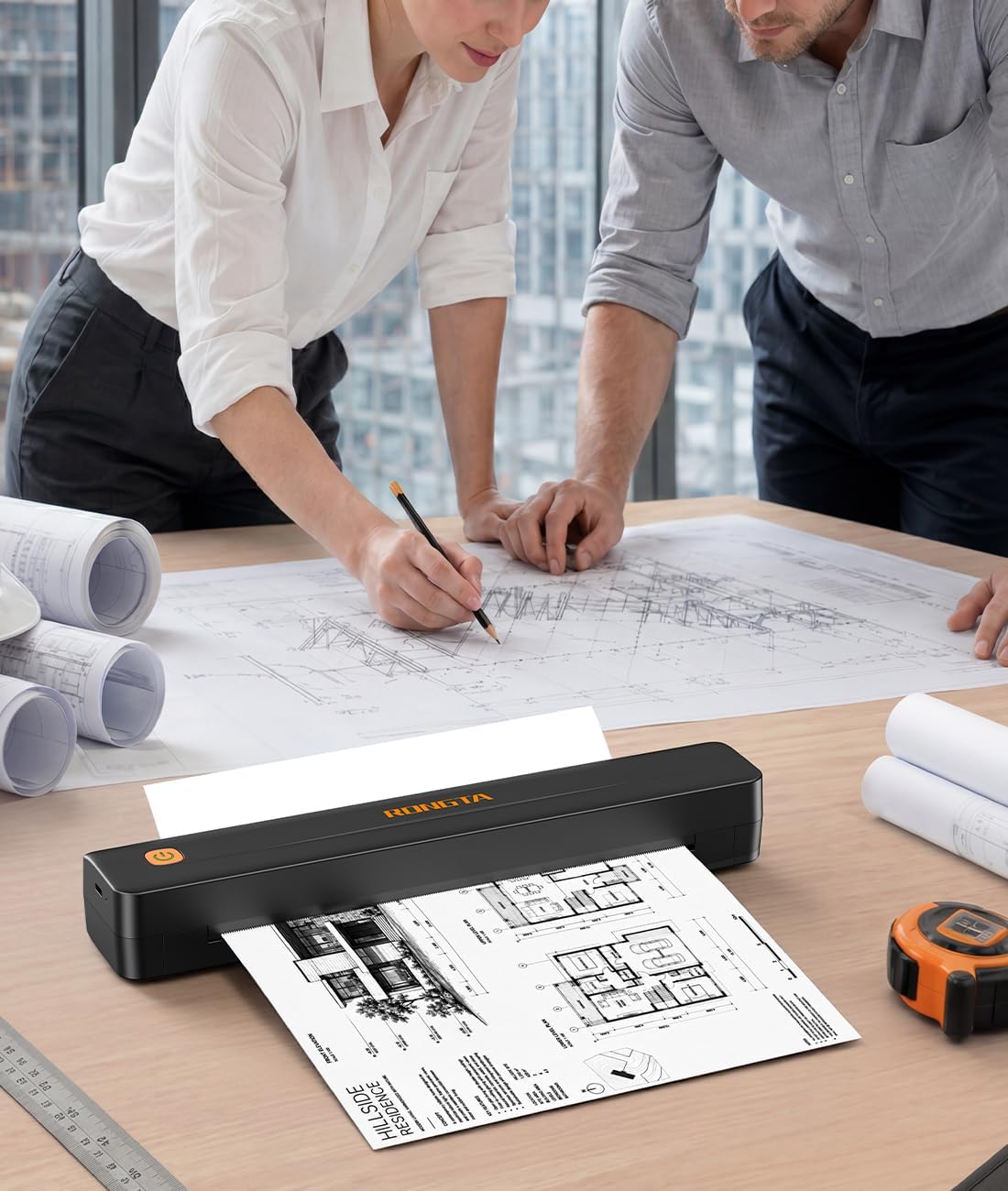
A printer that uses heat to print images or text on paper, known as thermal paper, is called a thermal printer.
What is a Thermal Printer?
A printer that uses heat to print images or text on paper, known as thermal paper, is called a thermal printer. The heat applied to the thermal paper is controlled by the printhead, while the thermal paper has a heat-sensitive coating that allows the heat to create the image or text on it.
Thermal printers are commonly used for receipts, shipping labels, barcode labels, price tags, and other applications where fast and reliable printing is needed.
How Does a Thermal Printer Work?
Thermal printing is a digital printing process that uses heat to create an image on a printing surface. The printhead contains small heating elements that heat specific areas of the print media to form text, images, barcodes, or other information.
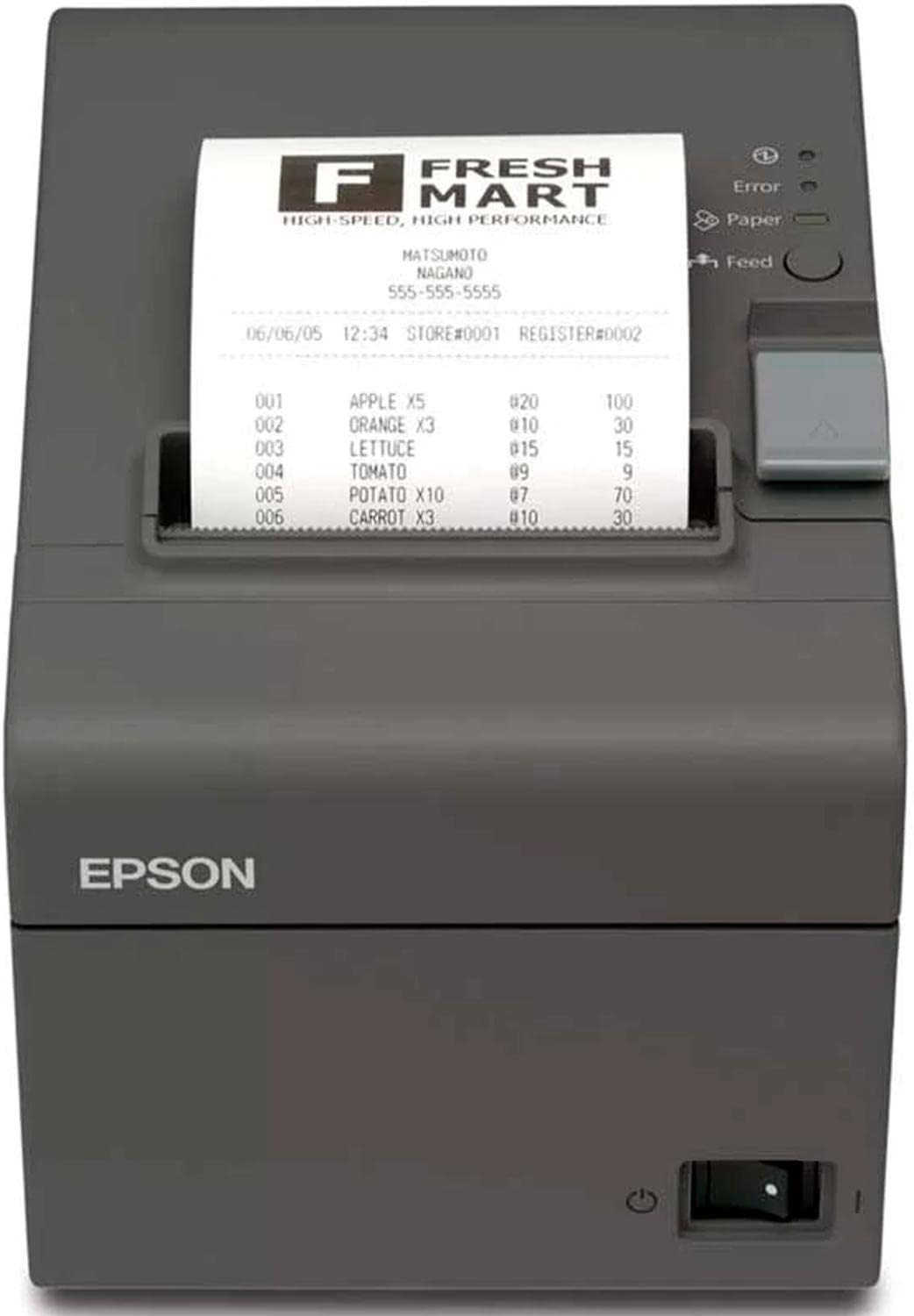
In direct thermal printing, the printhead applies heat directly to heat-sensitive thermal paper. The coating on the paper reacts to the heat and creates the printed image.
In thermal transfer printing, the printhead heats a ribbon and transfers the ink from the ribbon onto the printing material. This method can be used with different types of labels and materials and can produce prints that are more durable than direct thermal prints.
“Therm” means heat, so its name already explains that it uses heat technology for printing. The heat is passed from the printer’s printhead to the print media and causes the images or text to be printed on the material that you need.
What Are the Advantages of Thermal Printing?
Advantages
- Thermal printers have a high printing speed.
- Thermal printers can be easily purchased because many models are more affordable than other types of printers.
- Thermal printers can be taken anywhere because many models are portable and small-sized printers.
- Thermal printers provide good-quality prints for text, labels, barcodes, and similar applications.
- The noise produced by thermal printers during printing is very low compared to some other printers.
- Direct thermal printers do not require ink cartridges, toner, or ribbons, which can simplify maintenance.
What Are the Disadvantages of Thermal Printing?
Disadvantages
- When heat, moisture, or light is exposed to direct thermal prints, the prints can fade or become difficult to read over time.
- The printhead of a thermal printer is a sensitive component and can be damaged by excessive heat, dirt, or improper maintenance.
- Thermal printers can be low-cost, but thermal paper or other specialized media can add to the long-term printing cost.
- Specific paper or media is required for thermal printers; otherwise, the printer may not work properly with other types of paper.
- Thermal printers have limitations when printing on materials such as plastic, fabric, and metal, although some thermal transfer printers can work with specialized materials.
- Direct thermal printing is generally limited in durability compared with thermal transfer printing, particularly for labels exposed to heat, sunlight, moisture, or abrasion.
Do Thermal Printers Use Ink or Not?
Thermal printing has two main printing methods: direct thermal printing and thermal transfer printing.
In direct thermal printing, the printer does not require any ink, toner, or ribbon. Instead, it uses heat from the printhead to react with the thermal coating on the paper, producing text or images when heated.
In thermal transfer printing, the printhead heats a wax, resin, or wax-resin-coated ribbon. The material melts or transfers from the ribbon onto the surface of the printing material, where it forms the printed image.
Therefore, not all thermal printers are completely ink-free. Direct thermal printers do not use ink or toner, while thermal transfer printers use a ribbon as part of the printing process.
How Long Do Thermal Prints Last?
The lifespan of a thermal print depends on the printing method, media, ink ribbon, and conditions in which the print is stored or used.
Direct thermal prints are more sensitive to heat, light, moisture, and chemicals, so they may fade sooner when exposed to harsh conditions. Thermal transfer prints are generally more durable because the image is transferred from a ribbon onto the printing material.
There is no single lifespan that applies to every thermal print. The durability can vary considerably depending on the media and application. For labels that need to remain readable for a long time, thermal transfer printing is generally a better option than direct thermal printing.
Do You Need Special Paper for a Thermal Printer?
Yes, a thermal printer requires compatible media for printing. Direct thermal printers need paper or labels with a heat-sensitive coating that reacts when heated by the printhead.

Normal printer paper does not have this heat-sensitive coating, so it cannot produce an image in a direct thermal printer.
Thermal transfer printers use a ribbon and can print on a wider range of compatible materials. The correct media depends on the printer and the intended application.
Do Thermal Printers Print in Color?
Thermal printers can print in color, but the method depends on the type of thermal printer and media being used.
Direct thermal printers generally produce monochrome prints, most commonly black text or images on a light-colored background. However, some specialized direct thermal media can produce colors through different heat reactions.
Thermal transfer printers can produce color prints by using colored ribbons. The available colors depend on the ribbon and printing system.
For standard receipts, shipping labels, and barcode labels, monochrome thermal printing is usually sufficient. Color thermal printing is more specialized and is not as common as color inkjet or laser printing.
Which Is Better: a Thermal or Laser Printer?
Thermal and laser printers are designed for different printing needs. A thermal printer is generally more suitable for receipts, shipping labels, barcode labels, and other high-volume, task-specific printing. A laser printer is more suitable for documents, graphics, and general office printing.
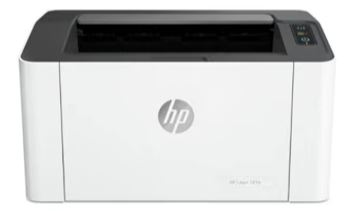
Here are some differences between them through which you can understand which printer is better for your needs.
Difference in Printing Speed
Thermal printers can be very fast when printing labels, receipts, or other specialized media. They can print directly onto compatible media without the multiple imaging steps used by laser printers.
Laser printers can also provide high printing speeds, particularly for standard office documents, but their speed depends on the printer model and type of document.
The better option depends on what you are printing. A thermal printer can be more efficient for continuous label or receipt printing, while a laser printer is more versatile for general documents.
Difference in Quality of Prints
Laser printers generally provide sharp, high-quality text and graphics and are designed for standard paper and office documents.
Thermal printers can also produce sharp and accurate text, barcodes, and labels. Print quality depends on the printer’s resolution, printhead, media, and the type of printing being performed.
Thermal printers commonly come in resolutions such as 203 dpi, 300 dpi, and 600 dpi, while laser printers are also available at different resolutions. Therefore, resolution alone does not determine which printer produces better results. The printing application and media are also important.
Difference in Printing Technology
The difference in technology used by laser and thermal printers is a major difference between them.
Laser printers use a laser and electrostatic imaging process to transfer toner onto paper. Thermal printers use heat to create an image directly on heat-sensitive media or to transfer material from a ribbon onto the print surface.
Why Are Thermal Printers So Expensive?
Not all thermal printers are expensive. Prices vary depending on the printer’s printing method, resolution, speed, connectivity, durability, and intended use.
Some professional thermal printers can cost more because they are designed for high-volume printing and may include durable components, advanced connectivity, higher print resolution, or support for specialized media.
Direct thermal printers can also have lower ongoing maintenance requirements because they do not need ink or toner. However, the cost of thermal media should be considered when comparing the total cost of ownership.
Do Thermal Printers Go Bad?
Yes, thermal printers can develop problems if they are not cleaned and maintained properly. Dust, adhesive residue, and other debris can affect the printhead and cause poor print quality, missing areas, or incomplete lines on labels.
The printhead is one of the most important components of a thermal printer, so keeping it clean and using compatible media can help maintain print quality.
Regular maintenance should follow the manufacturer’s instructions because improper cleaning methods can damage the printhead.
Do Thermal Printers Use a Lot of Electricity?
Thermal printers generally use relatively little power compared with many larger office printers, although actual power consumption varies by model.
The power requirements depend on factors such as printer size, printing speed, print density, and whether the printer is a compact desktop model or a larger commercial unit.
The power used by them is about 5 to 9 volts with a usage of 2 amperes of current.
However, this should not be treated as a standard figure for all thermal printers. Always check the printer’s specifications or power adapter information to determine its actual power requirements.
Is Zebra Printer a Thermal Printer?
Yes, Zebra is a brand that manufactures thermal printers. Zebra offers both direct thermal and thermal transfer printers for applications such as shipping labels, barcode labels, receipts, asset tags, and other business printing needs.
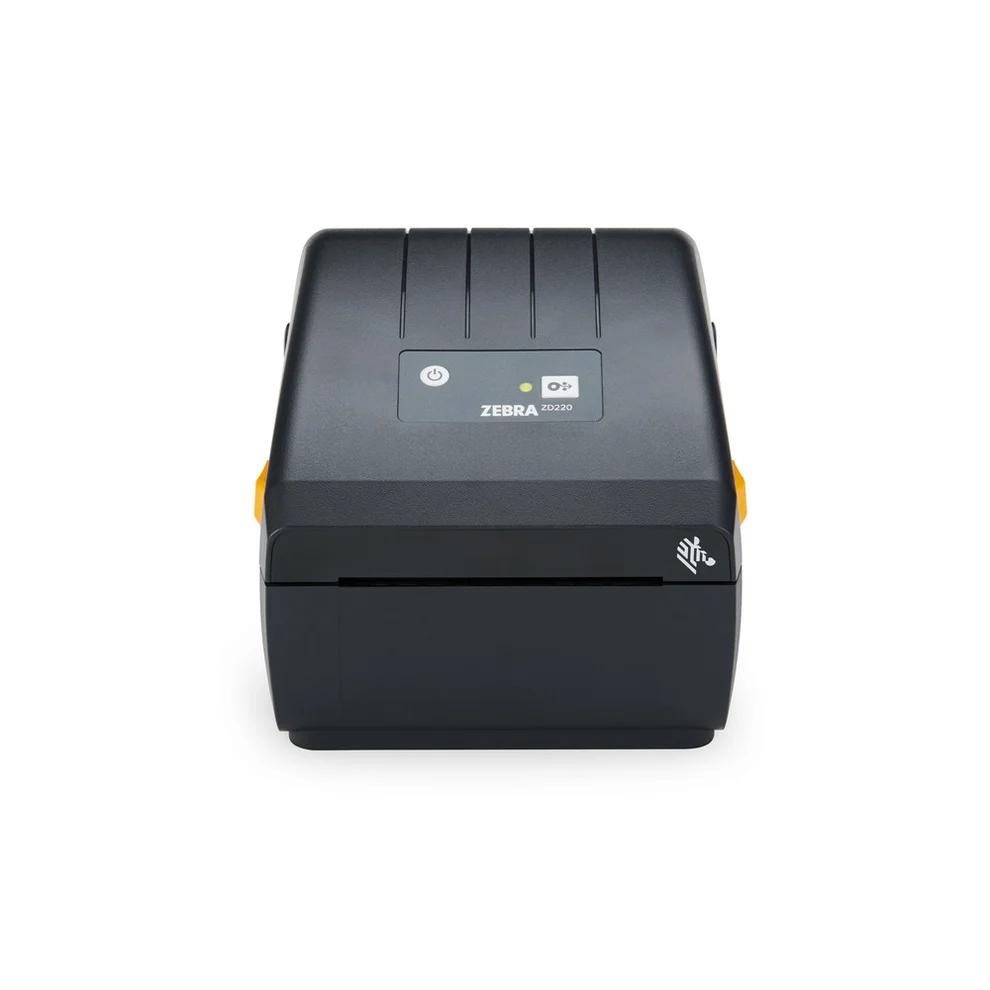
The “Zebra” name is associated with the Zebra brand, which manufactures high-efficiency and high-speed printing products.
Should I Leave My Thermal Printer On All the Time?
You should not keep switching the printer off and on repeatedly, as unnecessary power cycling can be inconvenient and may interrupt your workflow.
You can leave your printer on when it is needed regularly. However, it is better to follow the manufacturer’s instructions for proper use, maintenance, and power management.
For a printer that is used occasionally, turning it off when it is not needed can reduce unnecessary power consumption.
What Is the Difference Between Thermal and Inkjet Printers?
The main differences between thermal and inkjet printers are explained below.

Difference in Printing Technology
Their printing methods are quite different. Thermal printers use heat to print on compatible materials, while inkjet printers print images and text by spraying tiny ink droplets from nozzles onto the printing material.
Direct thermal printers use heat-sensitive media, while thermal transfer printers use a heated ribbon. Inkjet printers require liquid ink cartridges or ink tanks.
Difference in Quality of Images
Thermal printers can provide sharp and accurate text, barcodes, and simple graphics. They are not generally designed for high-quality photo printing.
Inkjet printers are considered a good choice for photo printing because they can produce detailed, high-resolution images with a wide range of colors.
For labels, receipts, barcodes, and simple graphics, thermal printing can be more practical. For photographs and colorful artwork, an inkjet printer is generally more suitable.
Difference in Portability
Thermal printers are often small and lightweight devices, making many of them more portable than standard inkjet printers. Compact thermal printers can be carried easily and are available for mobile printing applications.
They can be a good choice for printing small price tags, receipts, labels, or other simple documents when portability is important.
Which Thermal Printer Should You Buy?
The right thermal printer depends on your budget, required print size, print quality, workload, materials, and intended use.
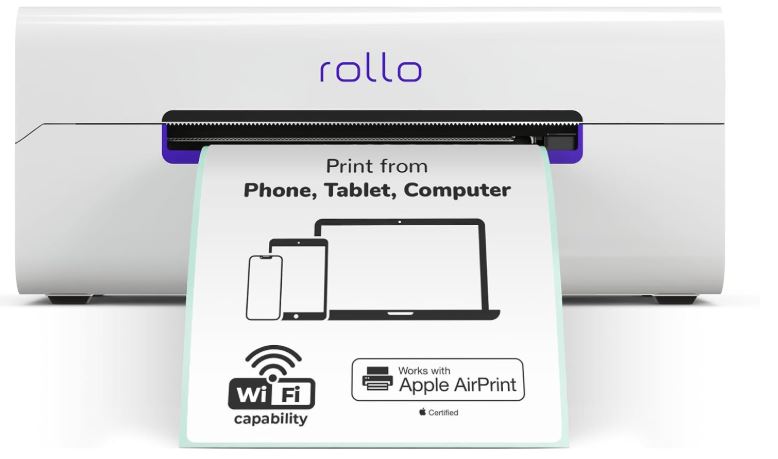
If you need a printer for receipts, labels, price tags, or other simple printing tasks, a compact thermal printer can be a practical choice because it is easy to carry and can print quickly.
For shipping labels and other applications that require frequent printing, choose a printer with a suitable print width, printing speed, resolution, and connectivity for your workload.
If you need higher print quality or more frequent printing, you should consider a thermal printer with a higher resolution and a printhead designed for your workload.
For long-lasting labels or prints, thermal transfer printing can be a better choice because it uses a ribbon and can provide more durable prints than direct thermal printing.
Before buying a thermal printer, consider the type of paper or material you need to print on, printing speed, print resolution, paper or media cost, printer size, maintenance requirements, connectivity, and how often you will use it. This will help you choose a thermal printer that fits your specific needs.
Frequently Asked Questions
What is a thermal printer mainly used for?
Thermal printers are mainly used for receipts, shipping labels, barcode labels, price tags, tickets, and other applications that require fast printing on specialized media. They are particularly useful when high-volume or portable printing is required.
Does a thermal printer need ink?
A direct thermal printer does not need ink, toner, or a ribbon because it uses heat-sensitive paper or labels. A thermal transfer printer does use a ribbon, which transfers the printing material onto the label or other media.
Can a thermal printer print on regular paper?
A direct thermal printer cannot print normally on standard paper because standard paper does not have the heat-sensitive coating required to create the image. Thermal transfer printers can use different compatible media, but the material must be suitable for the printer and ribbon.
Are thermal printers better than inkjet printers?
Neither is better for every situation. Thermal printers are generally better for receipts, labels, barcodes, and other fast, task-specific printing, while inkjet printers are better suited to photos, colorful graphics, and general-purpose printing.
Are thermal prints permanent?
Thermal prints are not always permanent. Direct thermal prints can fade or darken when exposed to heat, sunlight, moisture, chemicals, or friction. Thermal transfer prints are generally more durable and are better suited to labels that need to remain readable for longer periods.
Can a thermal printer print in color?
Some thermal printing systems can produce color, but most standard direct thermal printers produce monochrome output. Thermal transfer printers can use colored ribbons, although color thermal printing is less common than color inkjet or laser printing.
Can thermal printers print photos?
Most thermal printers are not designed for conventional photo printing. Specialized dye-sublimation thermal printers can produce photographs, but these are different from the direct thermal printers commonly used for receipts and labels.
Are thermal printers worth buying?
A thermal printer can be worth buying when your main needs are receipts, labels, barcodes, price tags, or other specialized printing. It may not be the right choice for general documents or photo printing because it requires compatible thermal media and has limitations compared with inkjet and laser printers
On This Page
- What is a Thermal Printer?
- How Does a Thermal Printer Work?
- What Are the Advantages of Thermal Printing?
- What Are the Disadvantages of Thermal Printing?
- Do Thermal Printers Use Ink or Not?
- How Long Do Thermal Prints Last?
- Do You Need Special Paper for a Thermal Printer?
- Do Thermal Printers Print in Color?
- Which Is Better: a Thermal or Laser Printer?
- Why Are Thermal Printers So Expensive?
- Do Thermal Printers Go Bad?
- Do Thermal Printers Use a Lot of Electricity?
- Is Zebra Printer a Thermal Printer?
- Should I Leave My Thermal Printer On All the Time?
- What Is the Difference Between Thermal and Inkjet Printers?
- Which Thermal Printer Should You Buy?
- Frequently Asked Questions
Quick Takeaways
- A thermal printer uses heat to print images or text onto thermal paper, and direct thermal printing does not use ink, toner, or a ribbon.
- Thermal printers are commonly used for receipts, shipping labels, barcode labels, and price tags because they print fast and reliably on specialized media.
- Thermal prints can fade when exposed to heat, light, moisture, or chemicals — direct thermal prints fade faster, while thermal transfer prints are generally more durable.
- Thermal printers can be more efficient for continuous label or receipt printing, while laser printers tend to be more versatile for general office documents.
- Choosing the right thermal printer depends on your budget, required print size, print quality, workload, materials, and intended use.
Looking for a Thermal Printer?
See our picks for the best thermal printers available today.


FAQ Quick Links
- What is a thermal printer mainly used for?
- Does a thermal printer need ink?
- Can a thermal printer print on regular paper?
- Are thermal printers better than inkjet printers?
- Are thermal prints permanent?
- Can a thermal printer print in color?
- Can thermal printers print photos?
- Are thermal printers worth buying?