Printer Comparison
Thermal vs Inkjet Printers
Thermal and inkjet printers serve very different jobs.
Overview
Thermal and inkjet printers are built for very different jobs. Here is how the two technologies compare.
Thermal vs Inkjet: Feature by Feature
A side-by-side look at how thermal and inkjet printers compare across the factors that matter most.
|
Factor |
Thermal |
Inkjet |
|---|---|---|
|
How it works |
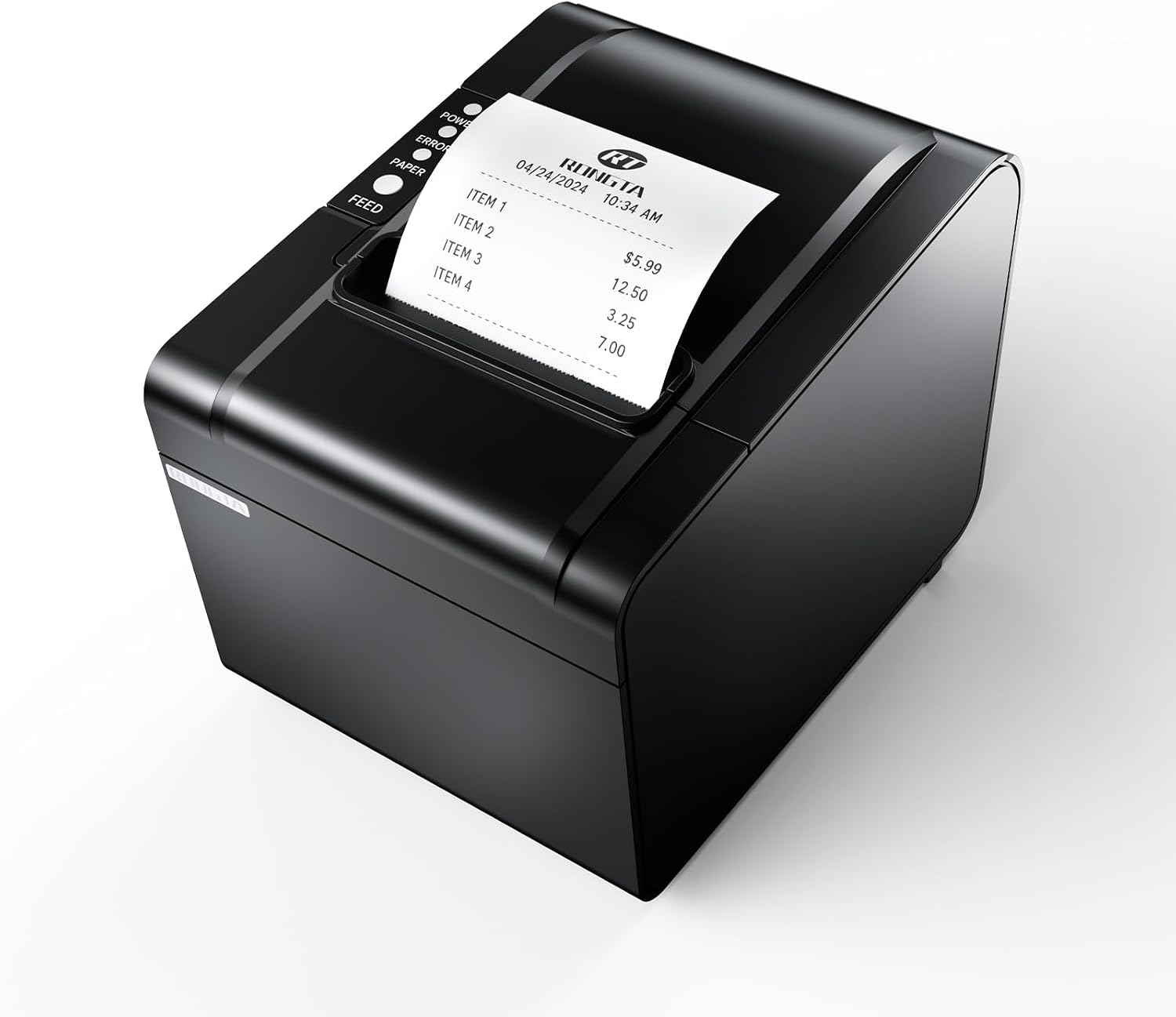
Uses heat to create an image — either on heat-sensitive paper (direct thermal) or by melting a ribbon onto the label (thermal transfer) |
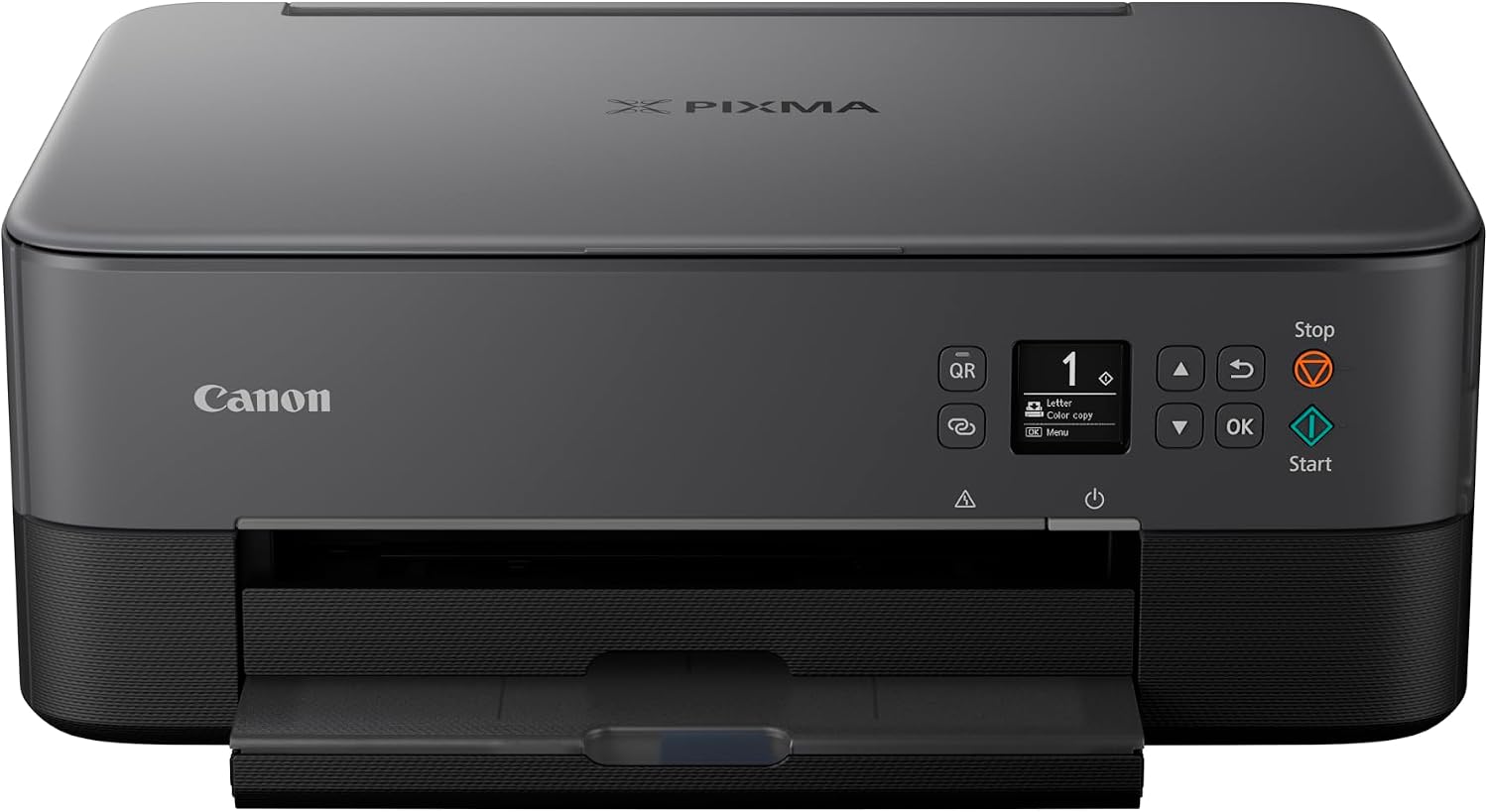
Sprays liquid ink onto standard paper |
|
Color |
Monochrome (black only) |
Full color |
|
Best for |
Receipts, shipping labels, and barcodes |
Documents, photos, and color graphics |
|
Speed |
Very fast |
Slower, especially for larger jobs |
|
Running cost |
Low — no ink or toner required for direct thermal printing |
Higher — requires ink cartridges |
|
Longevity of prints |
Direct thermal prints can fade over time with heat or sunlight exposure |
Prints do not fade from heat exposure |
|
Maintenance |
Minimal — no ink to clog or dry out |
Print heads can clog if the printer sits unused |
Which Should You Choose?
Thermal printers are the clear choice for shipping labels, receipts, and barcodes where speed and low running costs matter most. For documents, photos, or anything that needs color, an inkjet printer is the better tool.
Related
Stay Updated
Get the Latest Printer Guides & Tips
Join our newsletter for new reviews, guides, and expert tips.
No spam. Unsubscribe anytime.